
Korea is a country with 4 very distinct seasons, your packing list for fall, spring, summer, and winter will be different! I've traveled to Korea in the fall at least 4-5 times: here are my best tips on what you should include in your South Korea packing list, whether it's your first time or 10th!

South Korea has so much to offer: whether it's exploring major cities such as cosmopolitan Seoul, enjoying the natural beauty of Jeju Island, or swimming in the beaches of Busan, it's a great place for a holiday. However, bringing the right clothes, footwear, and travel essentials is key to having the time of your life. Especially since Korea has such distinct seasons: humid summers, cold winters...
With a best friend married to a Korean, I have traveled to Korea almost 10 times, and here is my advice on what to bring. (I make it a point to mention necessities common in your home country that are hard to find in Korea, such as tampons!) To find out which part of Korea you should visit, click here to find out more about Busan vs Seoul, Busan vs Nami Island, and Busan vs Jeju Island.
This ultimate Korea packing list for fall will include everything that both both first-timers and seasoned travelers will need to know: a complete guide to everything from travel essentials to cultural etiquette, making sure you have the right kind of clothes, a sim card, the right Korean phone apps, travel insurance etc (If you're there in summer, check out this packing list instead.)
Understanding the Weather

Spring and fall are the best time to be in Korea. The rainy season has passed and the average temperature is not too hot, and not too cold. (For a packing list for Korean in spring, click here.)
Whilst spring has cherry blossoms, the air quality in fall is better and the autumn foliage is simply gorgeous. The weather can vary from of 8C to 20C! (46-68F.)
However, the weather in September, October and November can change dramatically, from chilly mornings to hot afternoons. There is also a lot of variation between the different parts of Korea.
Clothing

In Korea, many women wear extremely, extremely short skirts. However, showing one's cleavage is much less acceptable. Sunglasses are not commonly worn and will mark you as a tourist, even if you look like you could be Korean. (i.e. are East Asian.) When visiting temples or rural areas, it's considered respectful to dress modestly, and cover one's shoulders.
- Clothing in breathable fabrics that are easy to layer: think light cardigans and cotton tops
- Tops
- Bring a mix of t-shirts, long-sleeved shirts, and blouses.
- Layering pieces such as sweaters and cardigans
- Bottoms
- Jeans, comfortable trousers, and leggings
- You might need a pair of shorts or a skirt, if it's still warm when you first arrive
- Tops
- Outerwear
- A waterproof rain jacket
- A light coat which you can pad up with a woollen sweater: I have needed up to 2 sweaters, a scarf, and a coat, in Jeju in fall.
- You can bring a hat if you want, though it's more for fashion than warmth.
- Dressy Attire
- Include an outfit for special occasions or fine dining experiences, especially if you plan to visit any of Seoul's Michelin-starred restaurants.
If you're not petite in size, you may find it hard to find clothing in your size in Korea, as most Koreans are very thin, with street clothing typically coming in only 1 size.
Packing Tips
- Space-Saving: Rolling your clothes saves space and avoids getting wrinkles in them.
- Mix and Match: A travel capsule wardrobe will help you pack more lightly. You can change the look by matching with different accessories, which take up less space in your wardrobe. (They're also beautiful, cheap, and widely available on the streets of Korea!)
- Laundromat: If you're in Korea for a long visit- I was there for over a month in April 2023- choose a hotel with laundry facilities, allowing you to bring less clothing. (This is quite common in mid-range Korean hotels, such as Songdo Fairfield in Busan, L7 Hotel in Gangnam Seoul,, Ibis Seoul etc, where ou pay a small fee of a few thousand won to use the washing and drying machines.)
Most hotel swimming pools have a dress code and require you to use a swimming cap. It is also not unusual for 5-star hotels to charge for swimming pool access.
Footwear for Every Occasion
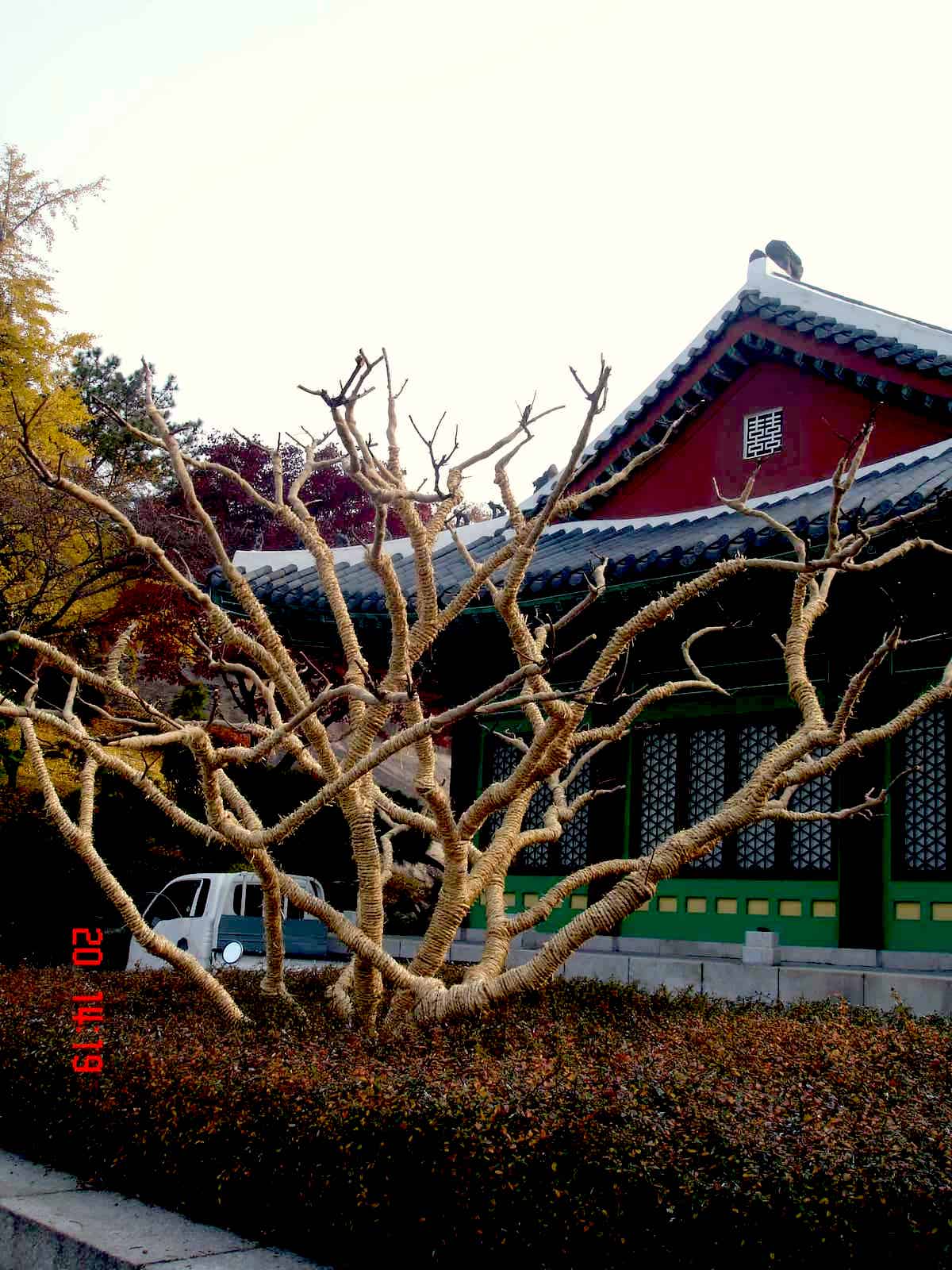
Expect a lot of walking when exploring South Korea, whether it be day trips from Seoul or exploring cities such as Seoul and Busan. (If you're less fit, both cities have a good public transportation system, and taxis are cheap.)
I strongly recommend bringing at least 2 pairs of shoes:
- Exploring Cities: Bring sneakers or comfortable and durable walking shoes
- Nature: If you plan to hike, sturdy hiking shoes are a good idea. (Having said that, Korean women are known to go hiking up the easier paths in HIGH HEELED SHOES!)
- Beaches: If your South Korean itinerary includes Busan, Jeju, or any of Korea's gorgeous beaches, sandals or flip-flops will come in handy
- a more formal pair (for dressy dinners): my favorite are Vivaia shoes made from recycled water bottles
- Look smart: these are only pointed shoes that suit my large and wide feet! (Even better than my designer pairs which I've stopped wearing now.)
- Comfortable: I've walked over 8000 steps with them without getting blisters! (This is the longest I've ever walked in shoes that are not boots or sneakers. The shoes irritated me a bit on the very first outing, but from the second time on, there was no issue at all!)
- Washable: Can be tossed into the washing machine
- Note: at the time of writing this ultimate Korean fall packing list, I am NOT a Vivaia affiliate and I paid for my own shoes- but I fully intend to apply soon
If you are a lady with large feet- your biggest mistake is not bringing a spare pair of walking shoes, in case the original breaks. It is ALMOST IMPOSSIBLE to find large-sized female shoes in Korea- whether you look on the street or in a high end department centre. My pair broke on my April 2023 holiday and I had to buy a pair of unisex slippers (from the ABC Mart in Myeongdong) since I couldn't find anything in my size. (40.5)
Technology and Connectivity
Korea has some of the fastest internet speeds in the world and there is WiFi almost EVERYWHERE.
Nonetheless, I still suggest buying an e-SIM or local Sim Card. (The streets of Korea can be a bit confusing- lots of small alleys- so you don't want to run out of phone battery!)
- Smartphone:
- Essential for navigation, translation apps, and capturing memories.
- Ensure your phone is unlocked if you plan to use a Korean SIM card for local data access.
- Chargers and Power Bank:
- Bring your device chargers and consider a universal travel adapter for Korean outlets (Type C and Type F plugs, 220V).
- A high-capacity power bank can be a lifesaver during long days of exploration.
- Portable Wi-Fi Router or SIM Card:
- Rent a portable Wi-Fi router or purchase a local SIM card for uninterrupted internet access, especially if your accommodation doesn’t offer Wi-Fi (very rare.)
- Digital Camera or DSLR:
- For photography enthusiasts, a high-quality camera can capture the stunning landscapes and urban scenes in greater detail than a smartphone.
- E-Reader or Tablet:
- Ideal for leisure reading during flights or downtime, and for storing travel guides and maps.
- Noise-Canceling Headphones or Earbuds:
- Enhance your travel experience, whether it’s enjoying music during transit or blocking out noise for a peaceful rest.
- Smartwatch or Fitness Tracker:
- Keep track of your steps and activity levels as you explore the bustling streets and scenic trails.
Expert Tech Tips
- Data Backup: Regularly back up your photos and important documents in cloud storage or an external hard drive.
- Security: Although Korea is very safe in terms of petty crime- many people leave their things lying around- it never hurts to use password protection and consider anti-theft bags to secure your electronics.
- Apps: Download useful travel apps before departure, such as this list of the best free apps to download for South Korea. From Papago (a translation app) to Naver Maps, it has you sorted.
- Google Maps does not work in Korea!
Health
Here is a list of things to bring for personal use, just in case:
- A first aid kit and medications:
- Band-aids, antiseptic wipes, and a small tube of antibiotic ointment
- Tweezers for splinters
- Hand sanitizer and face masks
- Many personal care items can easily be found at local grocery stores or convenience stores, which you'll find everywhere. (Many hotels have a convenience store in or near their building.)
- However, due to cultural differences, there are some medicines and personal items that are difficult to find in Korea, such as tampons.
- Routine Vaccinations
- Ensure that your routine vaccines like MMR, diphtheria-tetanus-pertussis, varicella, polio, and your yearly flu shot are up to date.
- Prescription Medicines
- Bring an adequate supply of your prescription medications.
- Leave them in their original containers with clear labels
- Carry a copy of your prescription- make sure you check that the medicine you're bringing is allowed in Korea as the customs won't always acknowledge your prescription!
- Over-the-Counter Essentials:
- Pain relievers
- Allergy medications (antihistamines)
- Cold and flu remedies
- Anti-diarrheal medications
- Motion sickness pills if you plan to travel by bus or boat
- Chronic Conditions
- For conditions like diabetes or heart disease, carry a medical alert bracelet and a letter from your doctor detailing your condition and treatment plan. Have it translated in Korean, as many people do not speak or read English.
Vegans or travelers with food allergies or special dietary needs should get their dietary requirements written down in Korean. Also, research the restaurants before hand as meat is a huge part of Korean food. (I do NOT recommend the temple restaurant in Insa-dong.)
Seniors may want to bring their own wheelchair: if you are not so mobile, and will require a wheelchair from time to time, take note that many places in Korea do not stock enough wheelchairs for guests. For example, we managed to reserve one in advance when staying at Lotte Seoul. However, it was impossible at Shilla Jeju and even though they offered us one on arrival (and seeing how my Aunt walked), they could not produce a single one for our entire stay!
Beauty/ Skincare
Don't bring too much as you can get a lot of fun inexpensive beauty brands in Korea There are many very good Korean brands, ranging from Innisfree to Sulwahsoo- I used to sell Korean beauty products online, which is why I've bene to Korea os many times!
A travel sized set will suffice- don't forget a sunscreen with a high SPF and a lip balm with SPF protection. (However, if you have darker skin, you will struggle to find suitable make-up in Korea so bring your own. Koreans only cater to fair skin, and love being as pale as possible.
Tip: go to stores which give you more freebies and samples. This is part of Korean culture- they call it "service." Stores like Olive Young have lots of brands, but don't give as many free gifts.
Travel Essentials
- Travel insurance
- Make sure your plan covers medical evacuation and hospital stays.
- Carry your travel insurance information with you.
- Credit cards
- These work at convenience stores, depeartment stores, hotels etc.
- However. a lot of Korean websites- such as Busan's Blue Line Park- will not take foreign credit cards.
- You will need some cash to buy Korean traditional souvenirs and local snacks from the markets. The exchange rate in Myeong Dong is better than that at the airport.
- Passports and IDs
Etiquette and Tips
- Personal space is less of a focus in Korea. I have experienced situations where an older woman (Ahjumma) has placed her hands on me and physically moved me out of the way in crowded places like Namdaemun Market in Seoul. While this would be considered unacceptable in the West, in Korea, it's best to accept it as a cultural norm.
- Tipping is not customary in Korea. I've had bellboys in Seoul hotels politely refuse tips when offered.
- When giving or receiving something, use both hands as a gesture of respect. Alternatively, you can use one hand (typically the right) while supporting the wrist or forearm of the giving hand with your other hand.
- Do NOT wear your shoes into people's homes.
Let me know if you have any questions!
Leave a Reply